
Welcome to Foam Kote Inc.
Established 45 years ago, Houston-based Foam Kote is a father-and-sons owned and operated company specializing in commercial and industrial insulating and roofing. Butch Umberger and his two sons, Archie and Cyrus, run the business, along with Butch’s business partner. All three family members worked together towards improving the local Texas communities - one spray foam insulation project at a time.

Commercial
Considering most commercial properties are large, robust affairs with thousands of squarefootage (structurally speaking), it's only prudent that the insulation that is applied throughout the property is designed to not only be long-lasting and durable but also consistent in its coverage and capacity to properly insulate the structure in its entirety.

Roofing
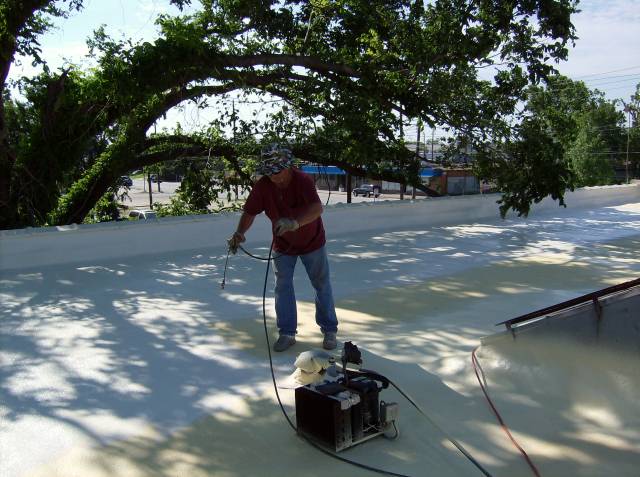
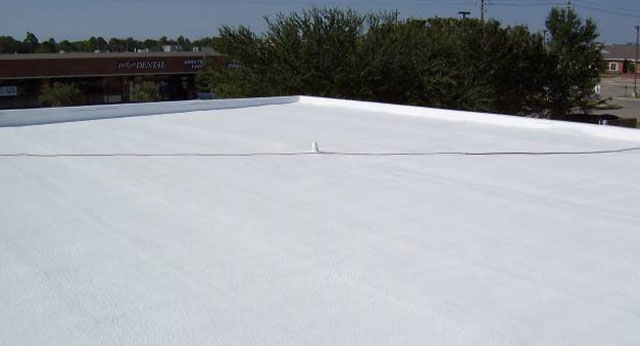
Regardless of the dimensions, slope, or material composition of a property's roofing system, it is widely understood that inadequate, outdated, or subpar insulation can wreak havoc on the comfort, accommodations, and livibility that a given property has to offer.

Automotive
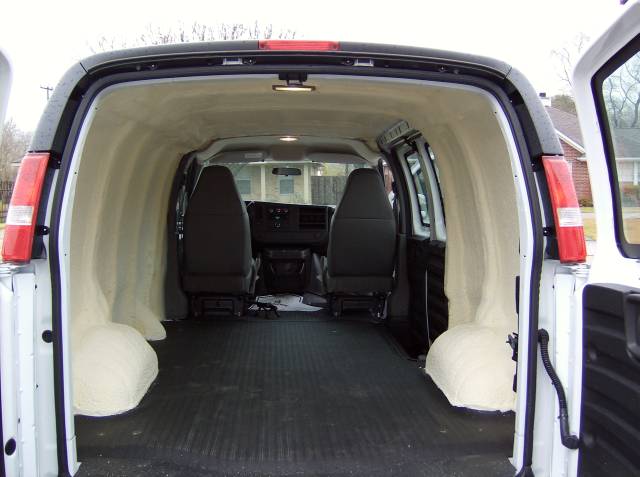
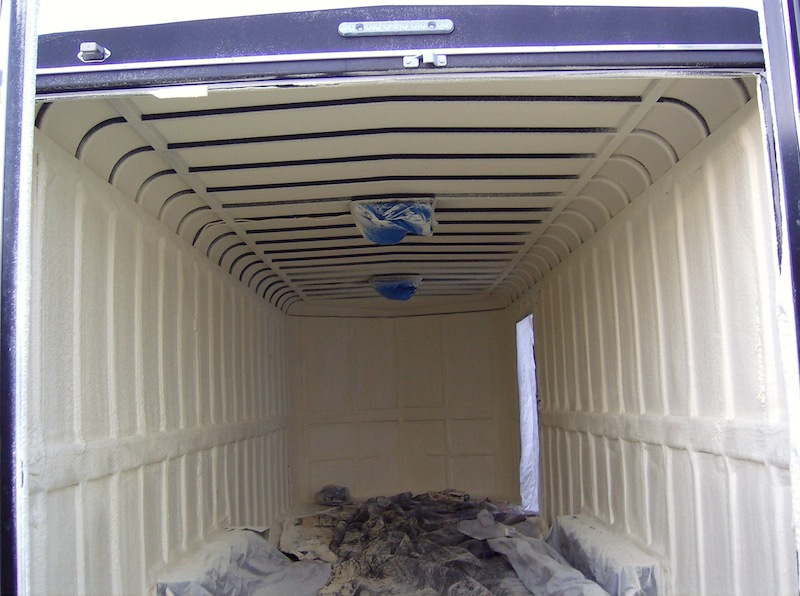
Another key benefit of spray foam insulation is in its capacities for widespread application and innovative functionality. For example, many land-based and marine-based vehicles are greatly improved (insulation-wise) when professioanlly treated with spray foam insulation.

Equipment
While similar in concept and versatility regarding usage as its application in various vehicular or automotive capacities, spray foam insulation that is targeted towards refrigeration and cooling equipment also has the added perk of being reasonable in pricing as well.
WHY Choose Foam Kote Inc.
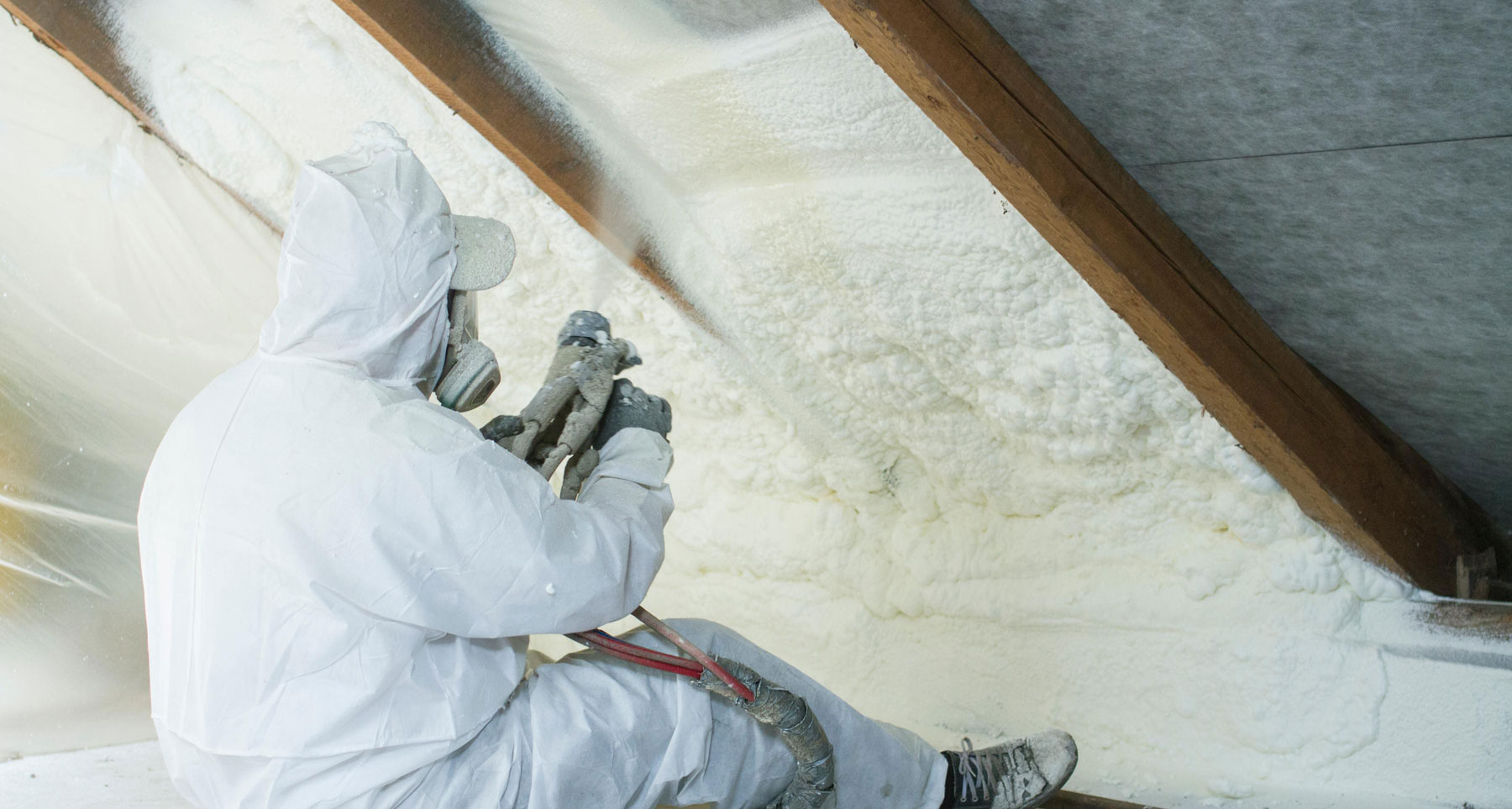
At Foam Kote Inc, you can be sure the team handling the insulation of your office, vehicle, or equipment are not only proficient and skilled in their respective spray foam insulation field but are are also licensed, bonded, and insured for overall safety. We work with businesses, shipping yards, and industrial transportation facilities to ensure our fellow Texas residents have ample coverage concerning any spray foam insulation needs. Our commercial and industrial insulation options typically entail the insulation of attics, crawlspaces, framework, roofing systems, and property additions. We also fulfill specialty spray foam insulation capacities as needed, per customer request.
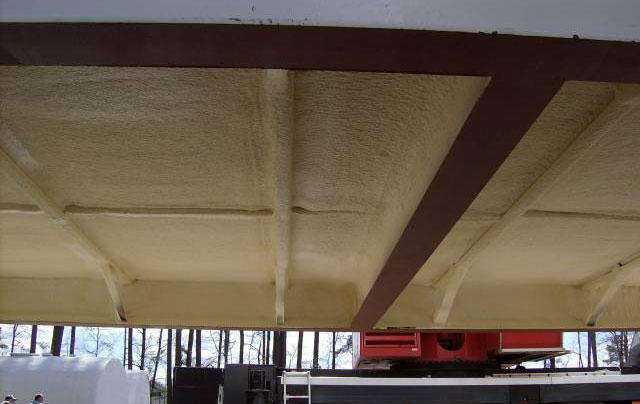
With Foam Kote Inc, no commercial or industrial property is too big or too small for us to provide our world-class spray foam insulation services for. It is our goal to provide thorough, affordable, and long-lasting spray foam insulation services that you can rely on for longevity and reliability. Please continue browsing our website to learn more about specific options and applications for our spray foam insulation services and/or spray foam insulation coverage.
Past Projects
Hours of Operation
Business Hours
Monday8:00AM to 6:00PM
Tuesday8:00AM to 6:00PM
Wednesday8:00AM to 6:00PM
Thursday8:00AM to 6:00PM
Friday8:00AM to 6:00PM
Saturday8:00AM to 6:00PM
Sunday8:00AM to 6:00PM
We Believe A Broad, Well-Rounded Approach Is Best For Our Clients
spray poly-urethane foam roofing
commercial spray foam insulation
metal roof coating restoration
polyurea coatings
industrial/commercial roof coatings (acyrlic, silicone, urehtane, polyurea)
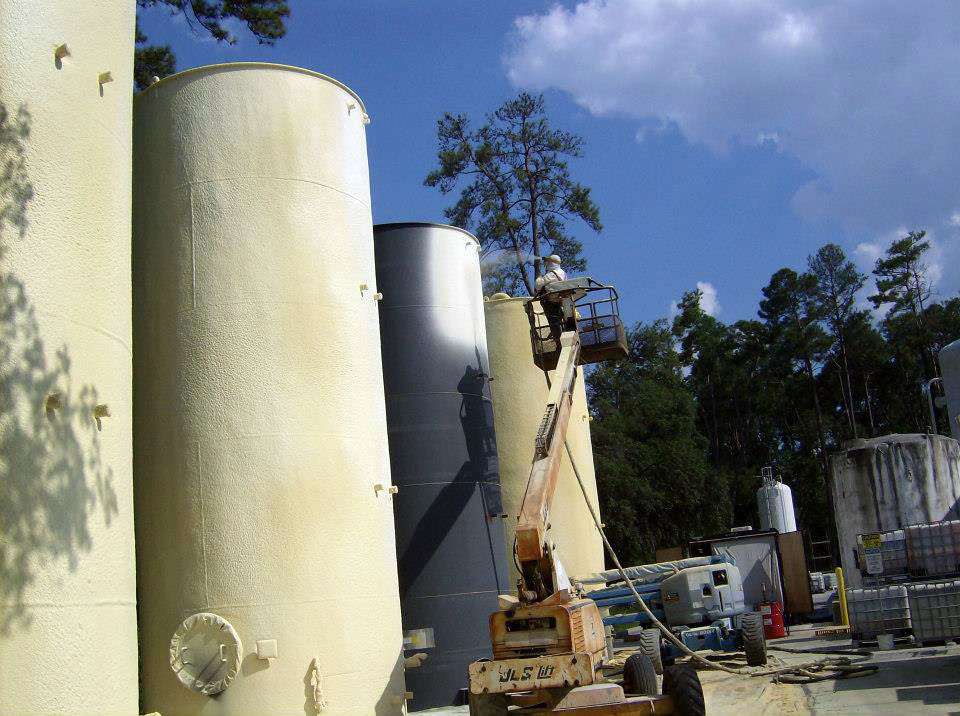
hot tank insulation
skids
switch-gear buildings
shrimp boats
cryogenic tank insulation
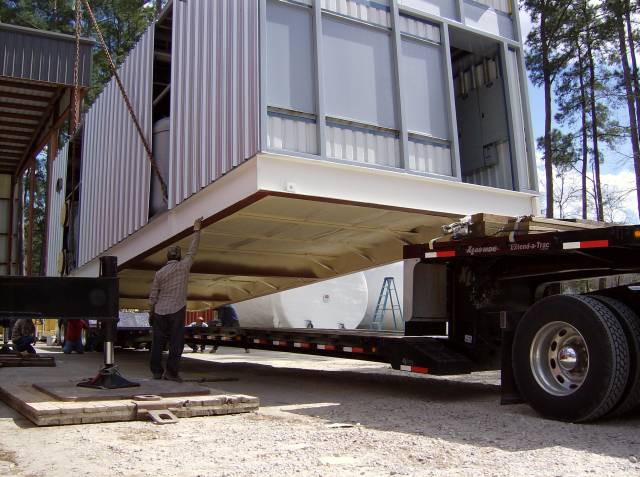
tanker trailer insulation
cold tank insulation
cryogenic trailer insulation
cooler insulation
freezer insulation
refrigeration insulation
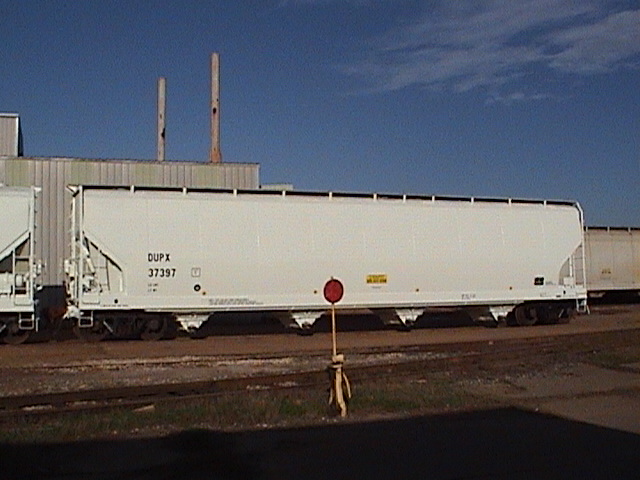
rail car insulation
pour foam barges
liquid applied roof coatingspour foam buoys
multi family foam insulation
metal building foam insulation
van insulation
internal gutter repair
chicken houses
geodesic homes
container foam insulation
block fill insulation
pipeline insulation
trench breakers
Contact Foam Kote Inc.
WHO WE ARE
Foam Kote, Inc. is committed to producing the highest quality projects, maintaining lasting relationships, providing excellent service and maintaining a safe work environment.
ADDRESS
1102 Minnesota St.
South Houston, TX. 77587
PHONE
(713) 943-0672
EMAIL
[email protected]